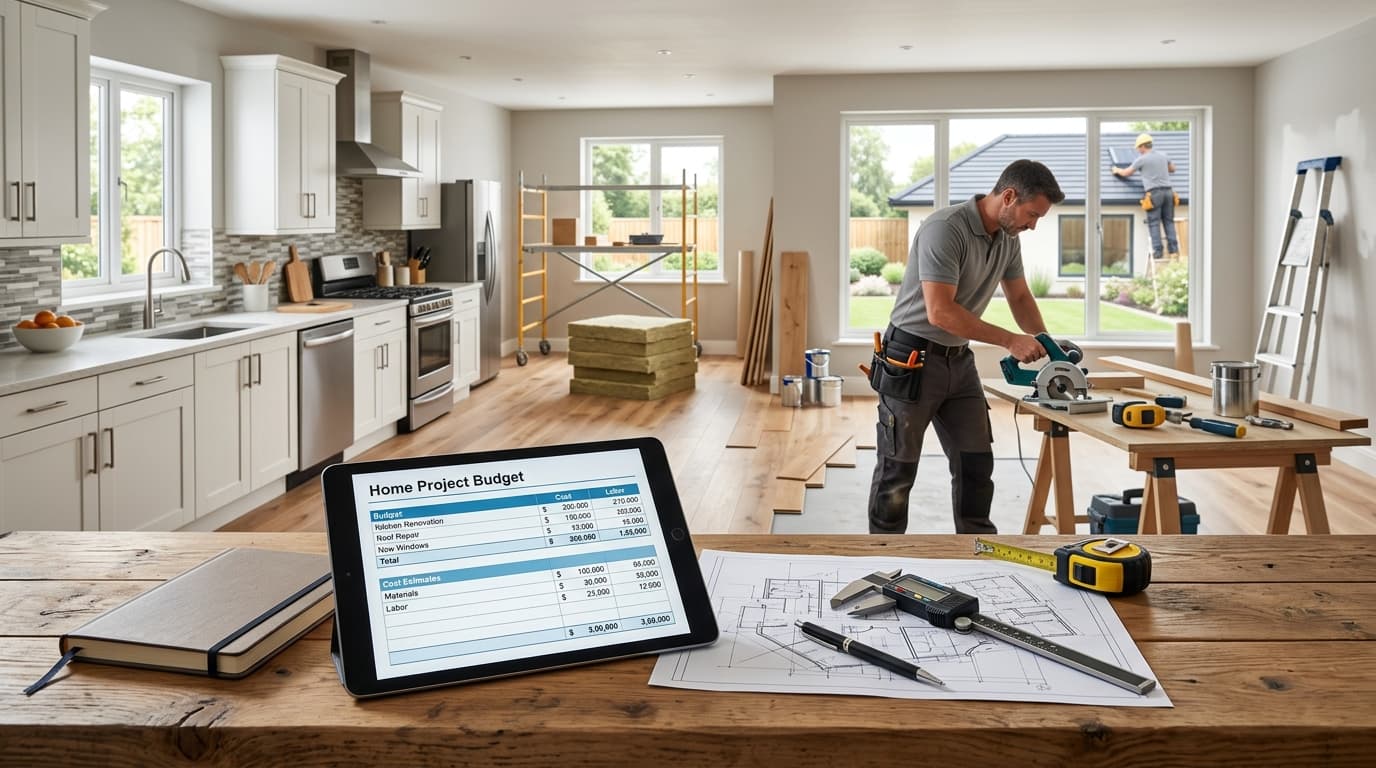
Complete Home Project Cost Guide 2026: What Every Repair and Renovation Actually Costs
Quick Answer
TL;DR: Average homeowners spend $3,000-$15,000 annually on maintenance and repairs. Major renovations (kitchen, bathroom, roof) cost $12,000-$45,000. Get 3 itemized quotes showing labor and materials separately, add 15-20% contingency for unexpected issues, and verify all permits/disposal costs are included. Regional variations create 30-50% cost differences between expensive (SF, NYC) and affordable (Midwest, South) markets.
Key Statistics
📊 Industry Data You Should Know:
- Hidden costs and change orders increase final project costs by 18-35% above original estimates for homeowners who don't budget contingency funds (HomeAdvisor, 2026)
- Regional cost variations range from 30-50% between highest (San Francisco, NYC, Seattle) and lowest (Midwest, South) cost markets (RSMeans Construction Cost Index, 2026)
- DIY projects that fail and require professional correction cost 2.5x more than hiring professionals initially (This Old House Survey, 2025)
- Permit costs vary 400-800% between jurisdictions for identical projects, from $150 to over $1,200 (Municipal Code Survey, 2026)
Expert Insight: "Homeowners who only budget for the quoted price are setting themselves up for stress. Real costs include permits ($200-$1,500), disposal ($300-$800), unexpected issues (add 15-20%), and opportunity cost of your time. Budget the full picture or prepare for surprises." — Sarah Chen, Licensed General Contractor & Cost Estimator, 12+ years
Understanding Home Improvement Cost Components
The Four Cost Categories That Determine Your Total
Every home improvement project cost breaks down into four buckets:
1. Direct Materials The actual products being installed - flooring, fixtures, appliances, lumber, etc. This is typically 40-50% of total project cost for most renovations.
2. Direct Labor The cost of skilled tradespeople doing the work. This is typically 30-45% of total cost and varies significantly by region and contractor experience level.
3. Indirect Costs Permits, inspections, dumpster rental, equipment rental, protective coverings, utility adjustments. These "soft costs" add 10-20% to projects but are often excluded from initial quotes.
4. Contingency Money set aside for unexpected issues that arise once walls are opened or old systems are removed. Smart homeowners budget 15-20% contingency for renovations, 10% for new construction.
Regional Cost Multipliers You Must Know
A kitchen renovation costing $25,000 in Kansas City might cost $42,000 in San Francisco for identical materials and scope. Understanding your region's cost multiplier helps you interpret national averages:
Highest Cost Markets (1.3-1.6x national average):
- San Francisco Bay Area
- New York City
- Seattle
- Los Angeles
- Boston
- Washington DC
Moderate Cost Markets (0.9-1.1x national average):
- Denver
- Portland
- Austin
- Atlanta
- Phoenix
Lowest Cost Markets (0.7-0.9x national average):
- Kansas City
- Oklahoma City
- Memphis
- Indianapolis
- Birmingham
Contractor Labor Costs by Trade (2026 Rates)
Electrician Costs
Professional electrician rates vary by experience level and service type:
- Apprentice Electricians: $50-$100/hour
- Journeyman Electricians: $80-$150/hour
- Master Electricians: $100-$200/hour
- Emergency Service: +50-150% premium over standard rates
Common project pricing:
- Outlet installation: $150-$300 per outlet
- Light fixture installation: $100-$250 each
- Circuit panel upgrade: $1,500-$4,000
- Whole-house rewire: $8,000-$15,000
Detailed pricing: Electrician Cost Per Hour Guide
Plumber Costs
Plumbing rates follow similar tier structure:
- Standard Service: $75-$150/hour
- Master Plumber: $100-$200/hour
- Emergency/Weekend: $125-$250/hour
- Minimum Charges: 1-2 hours plus $50-$100 trip fee
Common project pricing:
- Toilet replacement: $200-$600 (standard models)
- Sink/faucet installation: $250-$500
- Water heater replacement: $1,200-$3,000
- Drain cleaning: $150-$500 depending on severity
- Pipe repair/replacement: $500-$2,500
Detailed pricing: Plumber Cost Per Hour Guide
HVAC Technician Costs
HVAC work pricing varies by system complexity:
- Standard service call: $75-$150
- Diagnostic fee: $100-$200 (often waived if repairs made)
- Routine maintenance: $80-$150 per visit
- Emergency service: $150-$300
Major project pricing:
- AC unit replacement: $3,500-$7,500
- Furnace replacement: $2,500-$6,000
- Complete HVAC system: $5,000-$12,500
- Ductwork installation: $2,000-$5,000
Detailed guidance: HVAC Maintenance Cost Guide
Roofing Contractor Costs
Roofing costs depend heavily on material choice and roof complexity:
- Asphalt shingles: $3.50-$6.50 per square foot installed
- Metal roofing: $7-$15 per square foot installed
- Tile roofing: $10-$18 per square foot installed
- Slate roofing: $15-$30 per square foot installed
Average project costs (1,800 sq ft roof):
- Asphalt shingle replacement: $6,300-$11,700
- Metal roof installation: $12,600-$27,000
- Roof inspection: $150-$400 (recommended annually)
Detailed pricing: Roof Inspection Cost Guide
Window Replacement Costs
Window pricing varies dramatically by material and energy efficiency:
- Standard vinyl windows: $450-$1,400 per window installed
- Wood/fiberglass windows: $800-$2,500 per window installed
- Energy-efficient upgrades: +$200-$400 per window
- Custom sizes: +30-60% over standard sizing
Full-house projects (15-20 windows):
- Builder-grade vinyl: $9,000-$18,000
- Mid-range energy-efficient: $15,000-$30,000
- Premium wood/fiberglass: $24,000-$40,000
Detailed breakdown: Window Replacement Cost Guide
Major Renovation Projects: Full Cost Breakdowns
Kitchen Renovation Costs
Minor Kitchen Remodel ($12,000-$25,000):
- Cabinet refacing/painting
- Countertop replacement
- New sink and faucet
- Updated lighting
- Fresh backsplash
- Paint and flooring
Mid-Range Kitchen Remodel ($25,000-$65,000):
- New semi-custom cabinets
- Granite or quartz countertops
- Mid-grade appliances
- Updated plumbing and electrical
- New flooring (tile or hardwood)
- Recessed lighting
- Tile backsplash
High-End Kitchen Remodel ($65,000-$150,000+):
- Custom cabinetry
- Premium countertops (marble, quartz)
- Professional-grade appliances
- Structural changes (wall removal, additions)
- High-end flooring
- Custom lighting design
- Extensive tile work
Cost factors that increase kitchen budgets:
- Structural changes (removing walls, moving plumbing)
- High-end appliances (Wolf, Sub-Zero, Viking)
- Custom cabinetry
- Stone countertops requiring fabrication
- Expanding square footage
Bathroom Renovation Costs
Basic Bathroom Update ($5,000-$12,000):
- New toilet, sink, and faucet
- Tub/shower resurfacing
- New vanity
- Updated lighting and mirrors
- Fresh tile and paint
Mid-Range Bathroom Remodel ($12,000-$28,000):
- New tub or shower enclosure
- Tile surround and flooring
- Custom vanity with stone countertop
- Updated plumbing fixtures
- Recessed lighting
- Ventilation fan
Luxury Bathroom Remodel ($28,000-$75,000+):
- Walk-in shower with body jets
- Freestanding soaking tub
- Heated floors
- Custom tile work throughout
- High-end fixtures and finishes
- Structural changes
Cost factors that increase bathroom budgets:
- Moving plumbing locations
- Installing walk-in shower (vs standard tub)
- High-end tile work (especially floor-to-ceiling)
- Heated floors
- Steam shower features
- Expanding room size
Hidden Costs Most Homeowners Miss
Permit and Inspection Fees
Many contractors exclude permits from quotes, leaving homeowners surprised:
- Building permits: $150-$1,500 depending on project scope
- Electrical permits: $50-$300
- Plumbing permits: $50-$250
- Mechanical permits: $50-$300
- Inspection fees: $100-$400 per inspection
Total permit costs often range:
- Minor repairs: $0-$200
- Room additions: $500-$2,000
- Major renovations: $1,000-$3,500
Working without permits saves money upfront but costs more later through code violations, insurance denial, and reduced home values at sale time.
Disposal and Cleanup Costs
Dumpster rental and debris hauling add significant cost:
- Dumpster rental (10-yard): $300-$500 for 7 days
- Dumpster rental (20-yard): $400-$700 for 7 days
- Dumpster rental (30-yard): $500-$800 for 7 days
- Hazardous material disposal: $200-$1,000+ (asbestos, lead paint)
- Daily cleanup: $50-$150 per visit
Many contractors either exclude this entirely or provide vague "cleanup included" without details about debris removal.
Unexpected Issues and Change Orders
Opening walls reveals problems that couldn't be seen during estimates:
Common discoveries that add cost:
- Rotted framing: +$500-$3,000
- Outdated electrical that must be upgraded: +$1,000-$5,000
- Plumbing issues (galvanized pipes, improper venting): +$800-$4,000
- Mold or water damage: +$1,500-$8,000
- Asbestos requiring abatement: +$2,000-$10,000
Budget 15-20% contingency for renovation projects, 10% for new construction.
Temporary Living Arrangements
Major renovations may require living elsewhere:
- Hotel costs: $100-$300 per night
- Short-term rental: $1,500-$4,000 per month
- Storage unit: $100-$300 per month
- Eating out: +$500-$1,500 per month vs normal grocery budget
A 6-week kitchen renovation where you can't cook might add $2,000-$4,000 in living costs beyond the construction budget.
DIY vs Professional Cost Comparison
Projects Where DIY Usually Saves Money
Painting ($200-$600 DIY vs $800-$2,500 professional):
- Materials cost: $150-$400
- Tools needed: $50-$200 (brushes, rollers, drop cloths)
- Time investment: 12-20 hours for average room
- Skill level: Low
Landscaping ($300-$1,000 DIY vs $1,500-$5,000 professional):
- Materials cost: $200-$800
- Tools needed: $100-$200 (may already own)
- Time investment: 15-30 hours
- Skill level: Low to moderate
Basic Repairs ($50-$200 DIY vs $200-$600 professional):
- Caulking, minor drywall patching, door hardware replacement
- Materials cost: $30-$150
- Tools needed: $20-$50 (basic toolkit)
- Time investment: 2-6 hours
- Skill level: Low
Projects Where DIY Usually Costs More
Electrical Work (Risk: $5,000-$15,000 in corrections):
- Code violations discovered during sale inspections
- Fire hazards from improper connections
- Insurance claim denials from unlicensed work
- Verdict: Always hire licensed electricians
Plumbing Work (Risk: $3,000-$12,000 in corrections):
- Water damage from improper connections
- Code violations (venting, materials, slopes)
- Mold growth from slow leaks
- Verdict: Hire professionals for anything beyond simple fixture replacement
Structural Changes (Risk: $10,000-$50,000+ in corrections):
- Improper support during wall removal
- Foundation issues from poor drainage work
- Sagging floors from undersized beams
- Verdict: Always hire structural engineers and licensed contractors
For detailed decision framework: Complete DIY vs Hiring Contractor Guide
Cost-Saving Strategies That Actually Work
Strategic Timing
Best seasons for contractor discounts:
- Winter (November-February): HVAC, roofing, exterior work often 10-20% cheaper
- Late summer (August-September): Interior work before holiday rush
- Avoid peak seasons: Spring (landscaping), Summer (exterior work), Fall (pre-holiday rush)
Material Selection Without Sacrificing Quality
Where to save on materials:
- Floor-model appliances: 20-40% off retail
- Discontinued tile/flooring: 30-50% off (buy 10-15% extra for future repairs)
- Contractor-grade materials vs luxury brands: 30-60% savings, 90% of performance
- Open-box returns at home improvement stores: 15-30% off
Where NOT to save:
- Structural materials (lumber, beams, fasteners)
- Waterproofing and moisture barriers
- HVAC equipment (cheap units fail early and cost more to operate)
- Electrical components (fire safety)
Payment Timing and Negotiation
Strategies that reduce costs:
- Pay for materials directly instead of markup: saves 10-20%
- Offer to handle demolition yourself: saves $500-$2,000
- Bundle multiple projects: reduces mobilization costs
- Pay quickly for milestones: some contractors offer 2-5% discount for prompt payment
Avoid these cost-cutting tactics:
- Skipping permits (costs more when discovered)
- Using unlicensed contractors (costs more to fix poor work)
- Cheapest possible materials (costs more to replace sooner)
- Removing important scope items (costs more to add back later)
For negotiation tactics: How to Negotiate with Contractors
Cost Estimation Resources by Project Type
Finding and Comparing Contractors
Specific Project Costs
- Electrician Hourly Rates and Project Costs
- Plumber Hourly Rates and Repair Costs
- HVAC Maintenance and Replacement Costs
- Roof Inspection and Replacement Costs
- Window Replacement Cost Breakdown
Budget Planning
- Complete Home Ownership Costs Guide
- Hidden Costs When Buying Old Houses
- Smart Home Improvement Decisions After Buying
Frequently Asked Questions
How much should I budget for home maintenance annually?
Budget 1-3% of home value annually for routine maintenance and repairs. For a $300,000 home, that's $3,000-$9,000 per year. Older homes (20+ years) should budget toward the higher end.
What's the difference between an estimate and a quote?
An estimate is an approximation that can change. A quote is a fixed price for defined scope. Always get written quotes, not verbal estimates, before committing to contractors.
Should I get three bids even for small projects?
For projects under $1,000, two bids is usually sufficient. For anything over $1,000, get at least three detailed bids to understand market pricing and identify outliers.
How much contingency should I budget?
Budget 15-20% for renovation projects (opening walls, working with old systems), 10% for new construction, and 5-10% for exterior work like roofing or siding.
Do contractors charge more for small jobs?
Yes. Minimum charges and trip fees mean small repairs often cost $200-$400 even if actual work takes 30 minutes. Bundle multiple small repairs into one visit to reduce per-item costs.
How can I tell if a quote is padded with unnecessary costs?
Request itemized quotes showing labor and materials separately. Compare specifications to other bids. Watch for vague line items like "miscellaneous" or "contingency" without explanation.
Should I DIY to save money?
Only for non-permitted, low-skill projects (painting, basic landscaping, simple repairs). Electrical, plumbing, structural, and HVAC work should be hired out to avoid costly mistakes and safety hazards.
Sources
- HomeAdvisor - True Cost Guide 2026 (https://www.homeadvisor.com/cost/true-cost-guide/)
- RSMeans Construction Cost Index 2026 (https://www.rsmeans.com/cost-index)
- This Old House - DIY vs Professional Survey 2025 (https://www.thisoldhouse.com/diy-survey-2025)
- Remodeling Magazine - Cost vs Value Report 2026 (https://www.remodeling.hw.net/cost-vs-value/)
Need help budgeting and managing your next home project? Homeplexi provides transparent cost estimates, vetted contractor connections, and project tracking—all for $3/month.
Need Professional Help?
Homeplexi connects you with vetted contractors, helps you compare quotes, and manages your entire home improvement project in one place.
Get Started Free →Rachel Kim is a market analyst specializing in the home services industry. She has published pricing studies and platform comparisons for Consumer Reports, BeltStack, and industry trade publications.
Important Safety Disclaimer
Please read this carefully before following any advice:
- Always prioritize safety: Wear appropriate protective equipment (safety glasses, gloves, etc.) when performing any home maintenance or repair work.
- Know your limits: If you're not confident in your ability to safely complete a task, hire a licensed professional. This is especially important for electrical, gas, plumbing, and structural work.
- Verify all information: The guidance provided here is based on community discussions and general knowledge. Always double-check any advice with multiple reliable sources or a licensed professional.
- Follow local codes: Building codes, electrical codes, and plumbing codes vary by location. Ensure any work complies with your local regulations and obtain necessary permits.
- Turn off power/water/gas: Before working on electrical, plumbing, or gas systems, always shut off the relevant utilities at the source.
- For emergencies: If you have a gas leak, electrical fire, major water leak, or other emergency, evacuate immediately and call emergency services (911) and your utility company.
Liability: Homeplexi provides information for educational purposes only. We are not responsible for any injury, property damage, or losses resulting from following any guidance or advice provided through this platform. Use all information at your own risk.
When in doubt, always consult a licensed, insured professional contractor. Homeplexi can help you find qualified professionals in your area.
Found this helpful? Share with others:
Related Articles
Foundation Repair Cost: What You Should Actually Pay in Your Region
Foundation repair quotes vary wildly by region and homeowners don't know what's fair pricing vs price gouging
Deck Building Cost: What You'll Actually Pay for Your Dream Outdoor Space
Deck quotes vary dramatically based on material choice, size, and region - homeowners need realistic cost expectations
HVAC System Replacement Cost: What to Expect When Quotes Leave You Speechless
Shocked by HVAC quotes, need to understand pricing